Waypoint helps regions connect museums, landmarks, trails, communities and local experiences into journeys people can discover before they arrive and continue exploring while they are there.
A region may hold museums, historic downtowns, trails, heritage sites, natural landscapes, local businesses, events and cultural organizations, but visitors often discover them one at a time, or not at all.
Waypoint helps connect them into journeys that make sense to the visitor: a themed route, a weekend, a road trip.
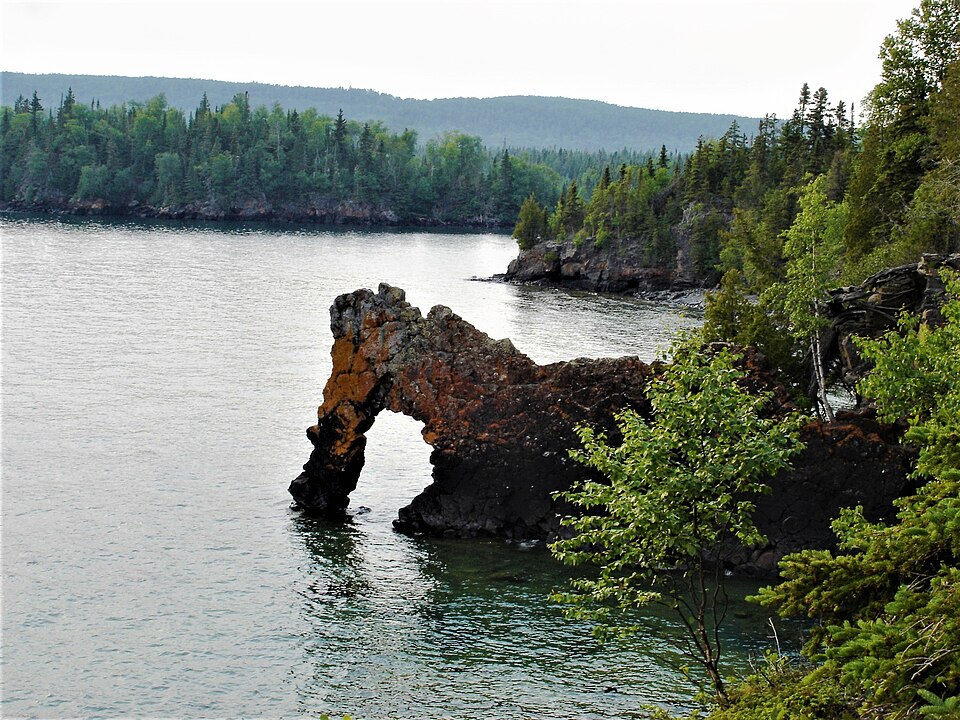 Landscape
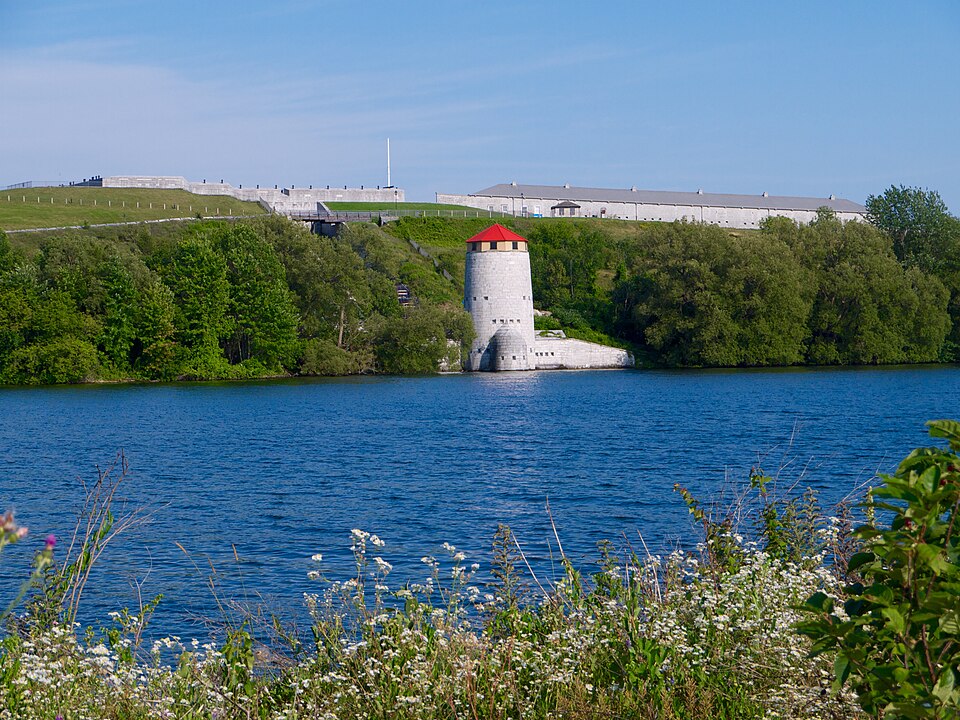 Heritage site
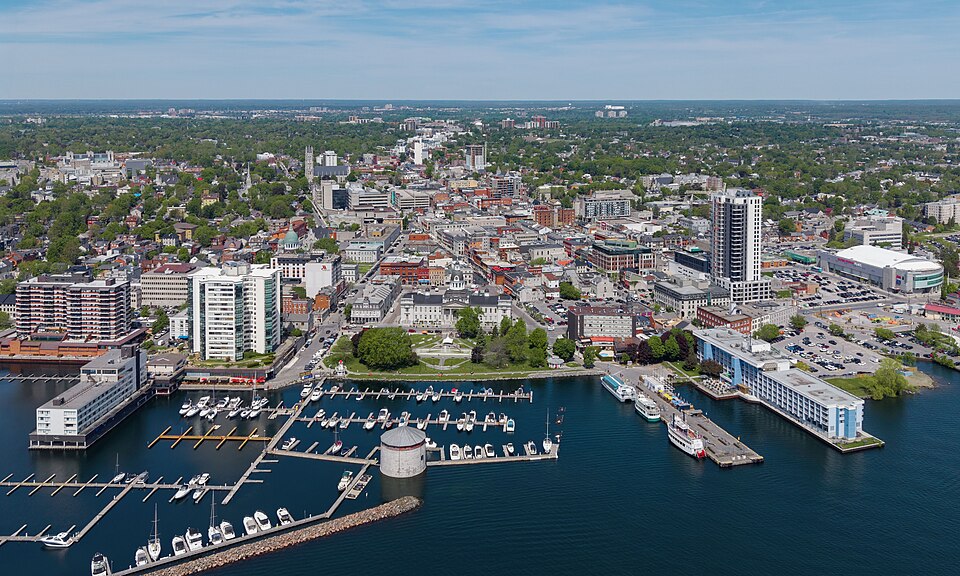 Downtown
 Trail
TrailOne map for the whole region's museums, landmarks, trails and destinations.
Walking, cycling and driving routes that span multiple communities.
A railway route, a WW2 journey, a historic villages route, a fall colours drive.
Connect member institutions into a shared visitor journey.
Reach visitors in their own language across the region.
Food, stops and partners woven in where they genuinely belong on the route.
Each participant manages their own approved content, with appropriate permissions.
Understand which waypoints, routes and stories visitors choose to open and engage with, where appropriate and privacy-conscious.
What a connected regional experience can feel like for a visitor.
Different participating organizations contribute approved information, without every participant gaining control of everything.
Funding & Partnership Readiness: Regional heritage projects may involve municipalities, tourism organizations, cultural partners and outside funding. Waypoint can help organize the project, identify relevant opportunities and make the relationship between partners, deliverables and funding requirements clearer.
A single themed route or a regional discovery map is often the right first step, before a full multi-partner rollout.