Volunteers arrive. Restorations move forward. Events need staffing. Media is captured. Knowledge changes hands. Visitors expect more from the experience. Waypoint helps connect the work around your museum without replacing the specialist systems you already depend on.
If you run a museum, you'll recognize these. If you don't, this is what a typical week actually involves.
Who is here today? How many hours have they completed? What are they qualified to do? What projects have they worked on? Who is available for Saturday's event?
Much of it ends up living in spreadsheets and in the knowledge of a few key people.
Profiles, qualifications, availability, check-in and check-out, hours, projects and milestones, so you can see who can do what without chasing people for updates.
A restoration happened last weekend. Management should be able to determine: who worked on it, what work was completed, how long it took, what changed, what photographs were captured, and what needs to happen next.
See what happened on a restoration without asking five people. Tasks, work logs, milestones, progress, notes and media get a clear home.
The museum captured hundreds of photographs and videos during an event. Where are they? Who took them? What do they show? Can they be published? Can staff find them six months later?
Batch upload, metadata, search, rights, review and approval, so useful material stops disappearing inside folders nobody can navigate.
AI proposes. People approve.
Who is attending? Who can operate equipment? Who accepted their shift? Where are instructions? How many volunteer hours did the event generate?
Connect availability, qualifications, shifts, assignments, communication and attendance, so the staffing picture is visible before the event.
A volunteer has spent 30 years restoring military vehicles. If they leave, retire or pass away, how much knowledge disappears with them?
Capture project history, interviews, notes, media, documents and oral history as part of normal activity, so it stays searchable and is kept when people move on.
What happens after someone reads the display label? Can they hear the story, see historical photographs, explore restoration history, view a 360 interior, compare Then & Now, or discover related artifacts?
Visitor apps, audio, QR and NFC, interactive interpretation, maps, multilingual content and related stories, deepening the real visit rather than replacing it.
Membership can become an annual payment rather than an ongoing relationship.
Membership records, a digital membership experience, events, exclusive stories, benefits and recognition, so members stay connected.
Make good projects easier to fund and report. Museums often have projects they want to move forward, but limited time to search funding programs, interpret requirements and prepare supporting information.
Waypoint can help identify funding opportunities that appear relevant to the museum's goals, understand published requirements and connect suitable Waypoint projects with those priorities.
Identify relevant opportunities, organize the information required and preserve the project activity, media and evidence that may later support applications and reporting.
The funding organization determines eligibility and awards. Waypoint helps the museum prepare a stronger, clearer path from opportunity to project.
Waypoint is not a replacement for the systems you already depend on.
Your specialist systems can remain authoritative. Waypoint connects the operational activity around them, where doing so creates genuine value.
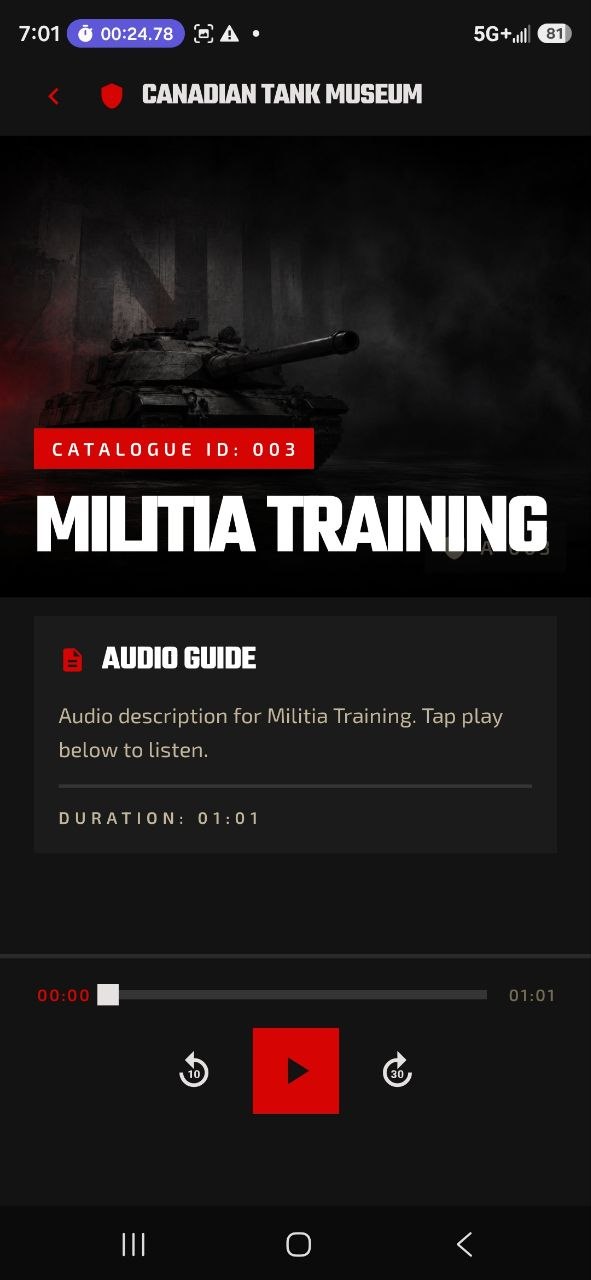
A live visitor app that helps visitors move beyond the display label: scan an exhibit QR code, listen to audio stories and explore at their own pace, with admission and ticket links built in.
Start with one useful thing.
Connect more when there is a reason.